
With Thunderbolts*, the Marvel Cinematic Universe got its soul back
I’ll take character over big CGI fights every time.

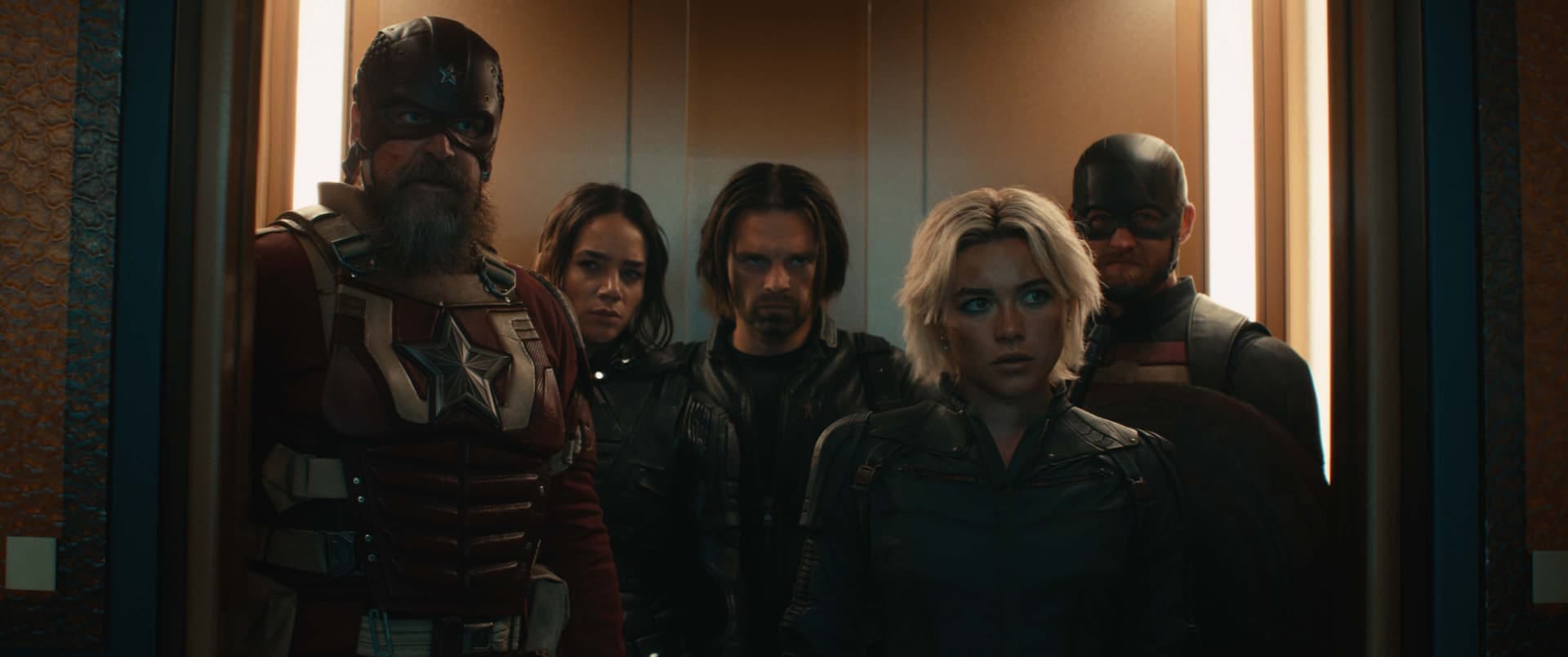
This post doesn’t include Thunderbolts* spoilers, but it talks about everything that came before.
I’ve never been huge on superheroes, so I haven’t been a fan of the Marvel Cinematic Universe (MCU) since its inception. I remember a friend dragging me to see a couple of movies on the big screen. I found them entertaining, not much else.
My aversion to liking anything *too* popular factored into my ignorance. I wanted to be the cool girl who appreciates real cinema (?) and recommends underrated movies like Amélie1 and feels special because she doesn’t board the hype train.
Then my friend dragged me to see Black Panther. I liked it so much I decided to do some research and finally understand what all the fuss was about. Soon enough, I was hooked.
I fell in love with the characters, the storytelling, the humor. More importantly, I was in awe of how Marvel crafted the universe so skillfully that each movie could comfortably stand on its own, yet still felt like a building block to something bigger.
By the time Avengers: Endgame rolled around, I was a devoted MCU girlie. And while I appreciated the special effects, for me it was mainly about the character journeys.
I ate up the earnestness of Steve Rogers and the swagger of Tony Stark. Their moral dilemmas, the exploration of what it means to be a hero, their conflicts and damage.
Above all, their growth.
I also loved to see villains whom you could empathize with. Killmonger, Loki, Thanos.
Granted, being a woman who is into the MCU didn’t come without a fair share of frustration. I watched Black Widow become the glue that held The Avengers together, only for her to be constantly treated like an afterthought. It took forever to get a female-led movie, only for it to be Captain Marvel, which felt like an overcorrection.
These gripes didn’t stop me from enjoying the universe as a whole. The movies made me feel. They made me think. They made me eager to discover what’s next. Infinity War and Endgame were the culmination of years of character development. I found them incredibly moving.
Then, the magic started to fade.
*
It didn’t happen overnight. Each new release, however, made the MCU more expansive and increasingly hollow.
At times, the output downright pissed me off. I adore WandaVision, a TV wonder that treats an MCU female character with the care and attention she deserves. Unfortunately, all of Wanda’s complexity was then sacrificed for the sake of making her a sadistic villain in Doctor Strange in the Multiverse of Madness. She drew the Game of Thrones - season 8 - Daenerys short stick.
Keeping up with the TV shows turned into a part-time job with diminishing returns, and the movies began to resemble a xerox of a xerox. Guardians of the Galaxy Vol. 3 was a ray of sunshine during Phase Five. Everything else seemed stale and unfocused.
While I appreciate that the MCU grew more diverse, most of the stuff they put out in recent years left me emotionally numb instead of energized. The studio was more interested in quantity over quality. They introduced new characters without taking the time to build them up.
The soul-searching and slow-burn arcs that used to give the franchise emotional weight faded into the background. In other words, the universe spread itself too thin, sacrificing character for spectacle.
When it didn’t, it meandered. Captain America movies have always been my favorite standalone entries from the MCU. As I watched Brave New World, though, I was confused about what it was trying to accomplish. Seeing Sam sidelined in his own movie in favor of the Red Hulk was baffling2.
You could argue that Sam got a good arc in The Falcon and the Winter Soldier, but the series acted like more of a prologue to his first big-screen adventure as the new Cap. The movie does eventually give him a compelling idea to work through – what it’s like to be Captain America without being a super soldier. It’s too little, too late.
Fast-forward to now, and Thunderbolts* hit me like a surprise gut-punch. It recaptures what the MCU can be when it slows down and provides its characters room to breathe. They win you over.
*
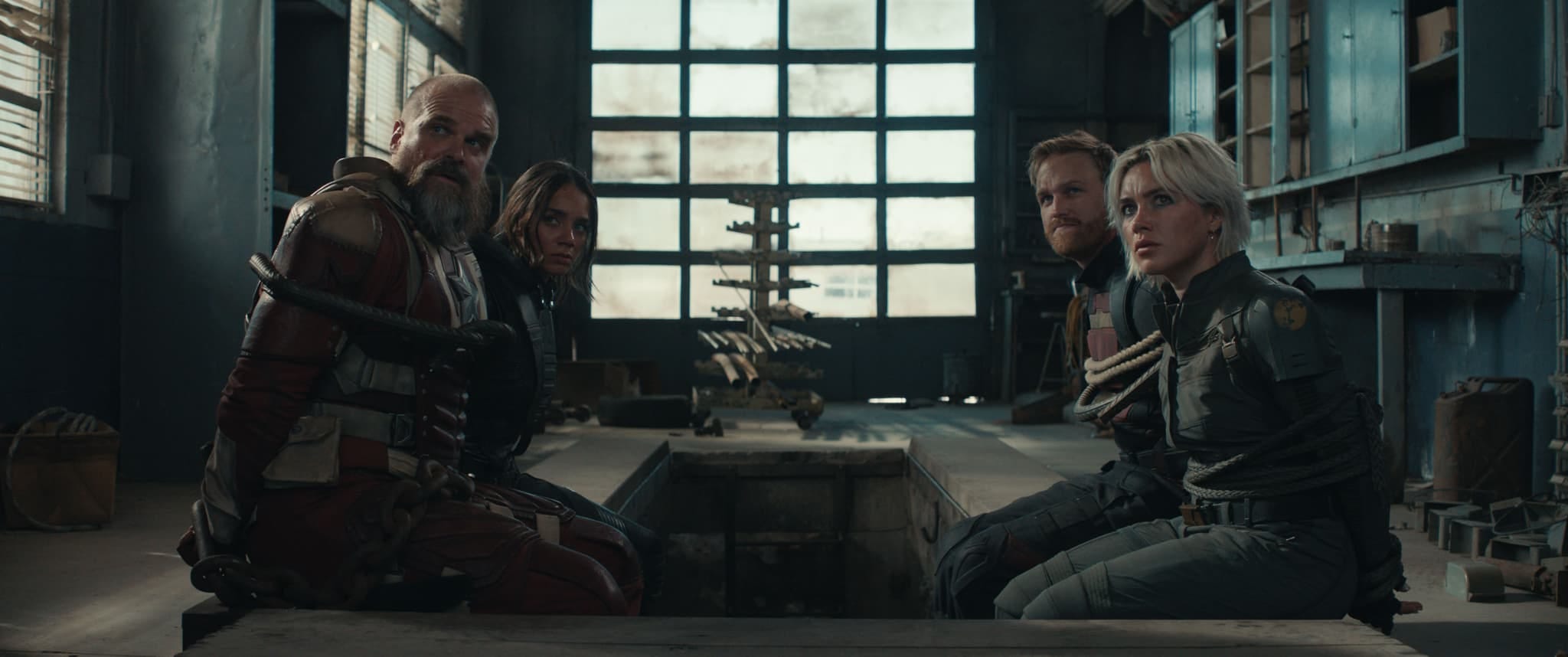
In fairness, I was already excited for this one. I love Bucky, and I’ve been a Yelena stan since I first heard her Russian accent.
Additionally, marketing worked overtime to convey the idea that Thunderbolts* is CINEMA. That Marvel actually allowed the director and writers to tell a good story, not just manufacture content that sets up whatever might come next.
I entered the theater with trepidation. Thankfully, from Yelena’s first monologue, I was so in it’s almost embarrassing. It was obvious that Thunderbolts* is about more than action and jokes. It has a soul.
I cried twice.
The movie revolves around a group of broken people trying to figure out who they are without a mission. Who struggle with feelings of emptiness, depression, and despair. It’s about mental health and loneliness – and about how being vulnerable can build community. You need to confront your darkness in order to grow.
By pushing its characters to look within, the movie’s stakes become more profound. Sometimes, facing off with your demons is trickier than saving the multiverse.
Don’t get me wrong, the action and jokes are still there. They simply fit the larger story better. The fights are impactful, the practical effects top-notch, and the choreography eye-catching. There are no space robots or CGI aliens to distract. Everything is more grounded.
As for the humor, it suits the movie’s overall tone. You’re not hit with random memeable one-liners that undercut the sincerity of a moment. The characters are funny, but there’s a heaviness to how they conduct themselves. That heaviness comes through in the way they communicate.
While Yelena is the main force driving the narrative, everyone gets their moments. John Walker, for instance, continues to be despicable, but you have a better idea about the why, which makes him more interesting.
On top of providing comic relief, Red Guardian’s dynamic with his fake daughter leads to sweet moments of connection. Bucky remains a strong supporting player who kicks ass. And the (sort of) antagonist? You understand him through and through.
In a meta twist, Thunderbolts* also functions as a metaphor for the larger MCU. Like these characters, the franchise has been drifting. Still burdened with glorious purpose, it’s been lacking direction.
The movie feels like Marvel is finally asking the same question viewers have been pondering for a while. What happens when the formula stops working?
You revisit the basics.
It’s a quiet kind of reckoning that works even better given that a big portion of the movie is set around the Avengers Tower. There are subtle callbacks to former MCU moments, and the movie is tinged with nostalgia, but not the kind that hits you over the head. Rather, the softer kind that reminds you why you fell in love with this universe in the first place.
Thunderbolts* isn’t perfect, but it’s very good.
It gave me hope that Marvel has been experiencing growing pains these last few years. The light inside the super-powered content machine grew dim even by Eastern European standards.
Once these pains ease, it can shine brightly once again.
My content is currently free, but you can support my work on Ko-Fi. I’ll spend your money on prosecco, books, and rent – probably in that order.
Photos: Marvel
Great movie, you should definitely watch.
Harrison Ford is committed, I’ll give you that.
MCU was such a beloved part of my Covid Era. We watched 3 a day for nearly a week amidst Advil, hot baths and cough drops and then celebrated our recovery with the Spider-Man that featured The Three Very Big Cameos. So excited to go back. LOVE Yelena. 💫